‘How much will it cost?’ is usually one of the first questions families ask when a parent needs help at home. In Wales, the answer is quite different from England, and many people are surprised to learn there’s a weekly cap on what the council can charge.
This guide explains how paying for care at home works in Swansea for 2026–27, what’s free, and the choices you have. It’s general information, not financial advice. Figures can change each April, so always check the latest position with the council or an adviser such as Age Cymru.
Who pays for care at home in Wales?
It depends on how care is arranged. If Swansea Council assesses your parent as eligible and arranges their care, a financial assessment works out how much they contribute, up to a maximum of £100 a week. If your family arranges care privately with a provider, you pay the provider directly at their rates.
Many families use a mix: council-arranged care for core needs, plus privately arranged extra visits or companionship. Whichever route you take, any care at home provider in Wales must be registered with Care Inspectorate Wales (CIW).
What is the maximum weekly charge for care at home in Wales?
The most anyone can be charged for council-arranged care and support at home in Wales is £100 a week. According to Age Cymru, the cap has been at this level since 2020. Swansea Council confirms that nobody will be asked to pay more than £100 per week, using figures that apply from 1 April 2026.
The cap applies to non-residential care and support arranged by the council, such as visits from home carers. It doesn’t cover care your family buys privately. Swansea Council also says it works out the total cost of home care at a rate of £28.60 an hour (or £7.15 a quarter hour) when calculating charges, so someone with only a little care may pay less than £100 even with savings.
Does my parent’s house count towards the cost of care at home?
No. When someone receives care in their own home, the value of the home they live in is not counted. Age Cymru explains that the property you live in as your ‘main or only home’ is disregarded in all circumstances for non-residential care, because you’ll continue to live there.
This is one of the biggest differences between care at home and residential care, where different rules apply. For care at home, the financial assessment looks at your parent’s income and savings, not the family home.
What happens if my parent has savings over £24,000?
The capital limit for care at home in Wales is £24,000. If your parent’s savings are above this, Swansea Council will automatically charge the full cost of their home care, but still no more than £100 a week. Below £24,000, the charge depends on their income after allowable expenses.
The financial assessment works out your parent’s weekly income, including any income from savings, then subtracts certain expenses. Welsh rules also protect a minimum amount of income. Age Cymru explains this as a ‘basic entitlement’ plus a buffer of at least 35% and a further allowance of at least 10% for disability-related spending. Some people pay nothing, some pay part of the cost, and others pay the full charge up to the cap.
Is any care at home free in Wales?
Yes. Reablement, the short-term support to help someone regain independence after illness or a hospital stay, is free for up to six weeks. Swansea Council also lists certain other services that are not charged for, including aftercare under section 117 of the Mental Health Act and care for people diagnosed with Creutzfeldt-Jakob disease (CJD).
If your parent is coming home from Morriston, Singleton or another hospital, ask the ward whether reablement is part of the plan. Our hospital discharge guide explains how the process works.
What are Direct Payments, and can we use them to choose a provider?
Direct Payments are money from the council that lets your parent arrange their own care instead of having the council arrange it. In Swansea, they can be used to employ a personal assistant, buy support from a registered care agency, arrange your own respite, or buy equipment. Your parent first needs an assessment of their care needs.
Swansea Council says direct payments can be offered to almost everyone eligible for social care, from age 16 with no upper age limit. If your parent already receives services, they can ask their social worker or care management officer about switching to Direct Payments at any time. Many families like the choice and flexibility, for example to keep a carer your parent already knows.
Can we arrange care at home privately?
Yes. You can contact a regulated home care provider directly and arrange as much or as little support as you need, without waiting for a council assessment. You pay the provider at their rates, which vary by type of care, time of day and frequency, so ask for a clear written quote.
Private care can be a good fit when your parent has savings above the £24,000 limit, wants more flexibility than the council can offer, or needs help quickly. It also works alongside council care, for example adding companionship visitsor home help and housekeeping on top of council-funded personal care. Before you choose, read the provider’s latest CIW inspection report.
How do we get started in Swansea?
Start with Swansea Council’s Common Access Point for health and social care on 01792 636519 or CAP@swansea.gov.uk. They can give advice, signpost you to local services and, where needed, arrange an assessment of your parent’s needs. A financial assessment follows if council-arranged care is agreed.
The Common Access Point is open 8.30am to 5pm Monday to Thursday and 8.30am to 4.30pm on Friday. Families in Neath Port Talbot should contact Neath Port Talbot Council. If you look after your parent yourself, you can also ask for your own carer’s needs assessment, as we explained in our guide for family carers.
Frequently asked questions
How much does home care cost per hour in Swansea? Private rates vary between providers, so ask for a written quote. For council-arranged care, Swansea Council uses £28.60 an hour to work out charges from 1 April 2026, and no one pays more than £100 a week.
Will my parent pay anything if they have a low income? They may not. Welsh rules protect a minimum level of income, so councils should not charge people whose net income is at or below their ‘basic entitlement’ plus 45%. The financial assessment works this out.
Does the £100 cap apply to care homes? No. The £100 weekly cap applies to non-residential care, such as care at home. Residential care has different rules, including a higher capital limit of £50,000.
Do we have to sell the house to pay for care at home? No. For care at home, the home your parent lives in is not counted in the financial assessment.
Will the figures change next year? They can. Charging rules and rates are reviewed, often from April. Always check the latest figures with Swansea Council or Age Cymru before making decisions.
How Habitat Homecare can help
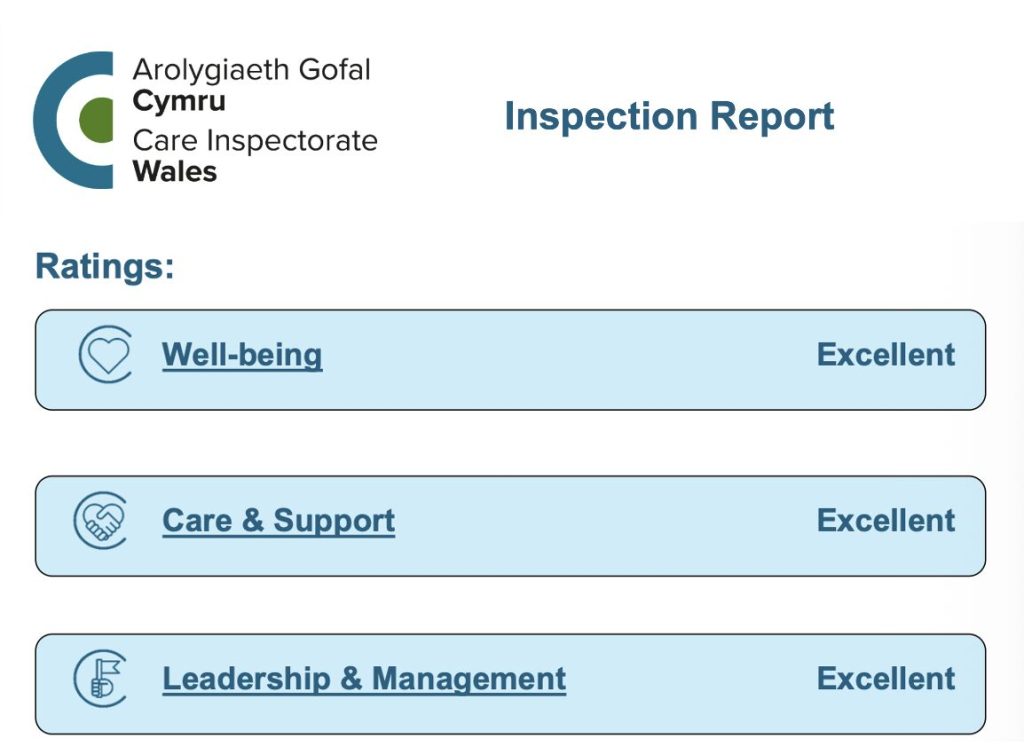
Habitat Homecare is an independent, family-run care at home provider in Gorseinon, rated Excellent by Care Inspectorate Wales for well-being, care and support, and leadership and management at our June 2026 inspection. Whether you’re arranging care privately or exploring Direct Payments, we support families across Swansea and Neath Port Talbot.
If you’re working out what care your parent needs and how to pay for it, call our Swansea team on 01792 721720. We’ll explain our rates clearly and help you plan care that’s centred around your parent.